

As temperatures rise, many dog owners look forward to spending more time outdoors with their four-legged friends. However, hot weather can pose serious risks to dogs, making it essential to adjust your walking routine and understand the signs of heat-related illness.
Why Hot Weather Is Dangerous for Dogs
Unlike humans, dogs can’t cool themselves efficiently through sweating. They primarily regulate their body temperature by panting and through limited sweat glands in their paw pads. On hot days, this cooling system can quickly become overwhelmed, putting dogs at risk of heat exhaustion and heat stroke.
Certain dogs are particularly vulnerable, including:
- Flat-faced breeds such as Bulldogs, Pugs, and Boxers
- Elderly dogs
- Puppies
- Overweight dogs
- Dogs with heart or respiratory conditions
- Dogs with thick or dark coats
Tips For Walking Your Dog Safely in Hot Weather (if you must)
Walk During Cooler Hours
The best times for dog walks in summer are early morning and late evening when temperatures are lower and the sun is less intense. However, during particularly hot spells, even these times can be dangerous, so always check.
Test the Pavement
Hot pavements can burn your dog's paws. A simple rule is the ‘seven-second test.’ Place the back of your hand on the pavement for seven seconds. If it's too hot for your hand, it's too hot for your dog's paws.
Carry Water
Always carry fresh water and a portable bowl, or a special drinking bottle with a built -in bowl. Offer your dog frequent drinks.
Choose Shaded Routes
Seek out parks, woods and areas with plenty of shade. Avoid open spaces where your dog will be exposed to direct sunlight for extended periods. If street walking, use the side where walls and buildings cast shade.
Keep Walks Short
On very hot days, if you absolutely must go for a walk, shorten your walks and focus on gentle exercise. Mentally stimulating games at home are a better choice and can help burn energy without the risk of overheating.

NEVER Leave a Dog in a Vehicle
Even with windows cracked open, temperatures inside a vehicle can rise rapidly and become fatal within minutes. Try it on yourself and see how you cope. or watch the video below.
Recognising the Signs of Heat Stroke
Heat stroke is a medical emergency that requires immediate action.
Early signs may include:
- Excessive panting
- Drooling more than usual
- Bright red gums or tongue
- Rapid heartbeat
- Lethargy or weakness
- Difficulty walking or stumbling
- Vomiting or diarrhoea
As the condition worsens, dogs may experience:
- Collapse
- Seizures
- Loss of consciousness
What To Do If Your Dog Has Heat Stroke
If you suspect your dog is suffering from heat stroke:
- Move Them to a Cool Area
Immediately take your dog into the shade or an air-conditioned environment.
- Start Cooling Them Down
Use cool (not ice-cold) water to wet their body, focusing on the belly, paws, neck and inner thighs. Ice-cold water can cause blood vessels to constrict and may slow cooling.
- Encourage Airflow
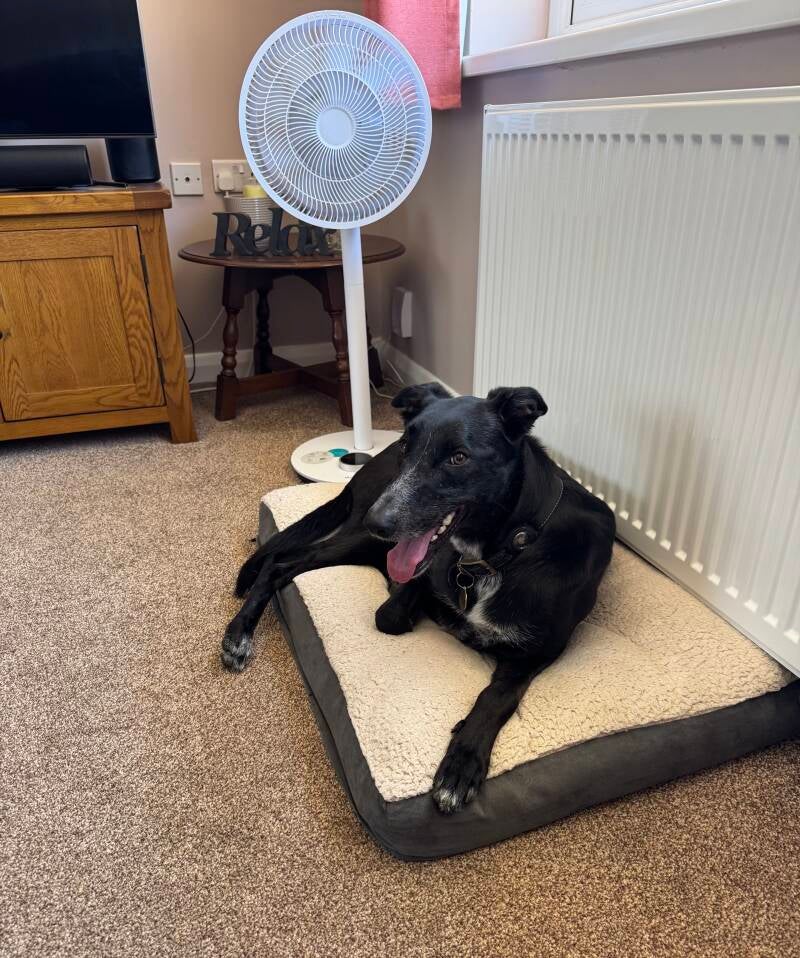
Place your dog near a fan or create airflow to help lower their body temperature.
- Offer Small Amounts of Water
Allow your dog to drink small amounts if they are conscious and willing, but do not force them to drink.
- Contact a Vet Immediately
Even if your dog appears to recover, heat stroke can cause internal damage that may not be immediately visible. A vet assessment is essential.
Remember - No dog ever died from missing a walk, but many die from heatstroke
Summer can be a wonderful time for outdoor adventures with your dog, but their safety should always come first. By adjusting walking times, avoiding excessive heat and knowing the signs of heat stroke, you can help ensure your canine companion stays happy, healthy and comfortable throughout the warmer months.
If in doubt, skip the walk. A missed walk is far less dangerous and less costly than a trip to the emergency vet.
Add comment
Comments