

Bringing a new puppy home is exciting, but it can also feel like living with a curious toddler! Puppies explore the world with their mouths, noses and paws, so ordinary household items can quickly become tempting things to investigate, chew or swallow.
Puppy proofing your home before arrival day can help keep your puppy safe while also preventing unwanted habits from developing.
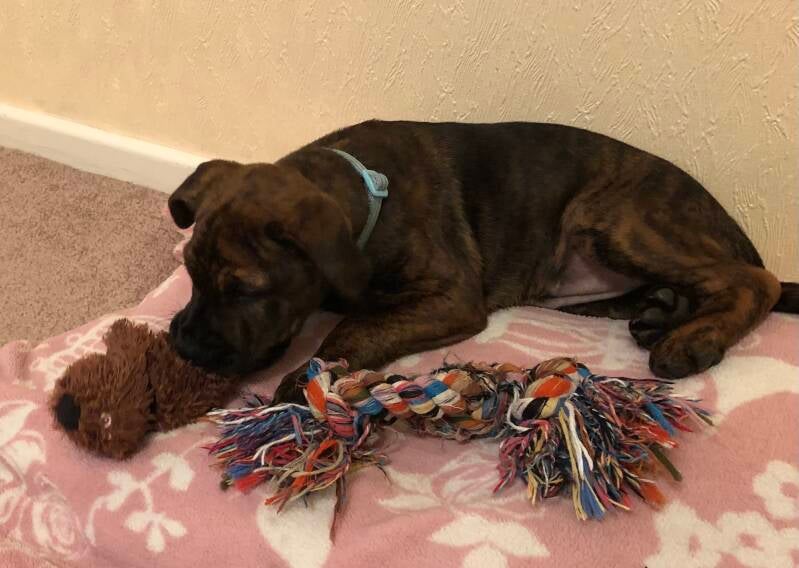
- Get Down to Puppy Level
One of the best ways to spot potential hazards is to get down on the floor and look around from your puppy's point of view.
Look for:
- Electrical cables and chargers
- Shoes and clothing
- Children's toys
- Small objects that could be swallowed
- Remote controls
- Bags and handbags
- Anything dangling from tables or worktops
If it is within reach, assume your puppy will investigate it!
- Keep Dangerous Items Out of Reach
Puppies are naturally curious and many everyday household items can be dangerous if chewed or swallowed.
Make sure you safely store:
- Cleaning products
- Medication
- Batteries
- Small objects
- Rubbish
- Toxic or poisonous foods
- Chemicals
- Sharp objects
Use cupboards, closed containers or baby gates to prevent your puppy accessing areas where hazards may be present.
- Protect Your Cables
Chewing electrical cables can be extremely dangerous.
Try to keep cables out of reach by using cable covers, moving them behind furniture or blocking access to them. Always provide your puppy with suitable toys and chews so they have appropriate things to chew instead.
If you see your puppy investigating a cable, calmly redirect them towards something appropriate.
- Check Your Kitchen
Kitchens are full of interesting smells, which can make them especially tempting for puppies.
Keep food safely stored and avoid leaving food on worktops. Make sure bins are secure and cannot easily be knocked over or opened.
Remember that some foods that are safe for us can be harmful to dogs, so never assume that leftovers are safe for your puppy.
- Create a Safe Puppy Area
Your puppy does not need access to your entire home straight away.
Using:
- Baby gates
- A puppy pen
- Closed doors
- A crate, if your puppy has been positively introduced to one
can help you manage your puppy's environment.
A safe area should include comfortable bedding, fresh water and suitable toys. This gives your puppy a place to relax while helping prevent them from getting into trouble when you cannot supervise them.
- Put Away Shoes and Personal Belongings
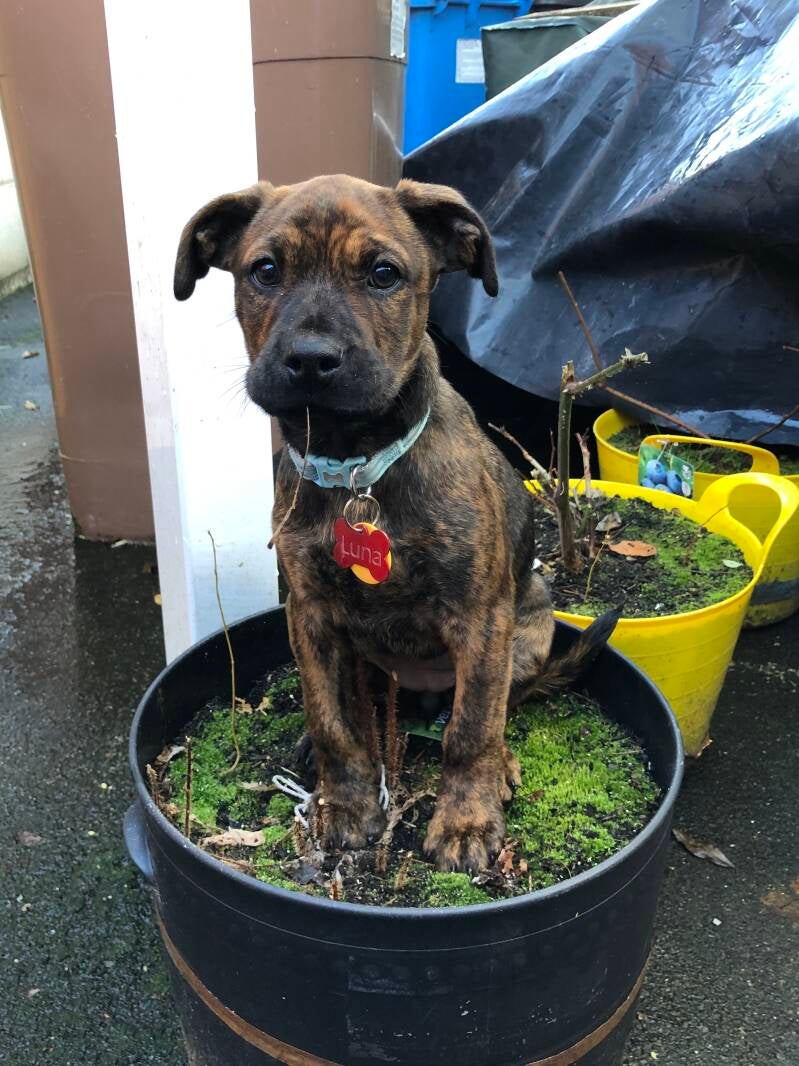
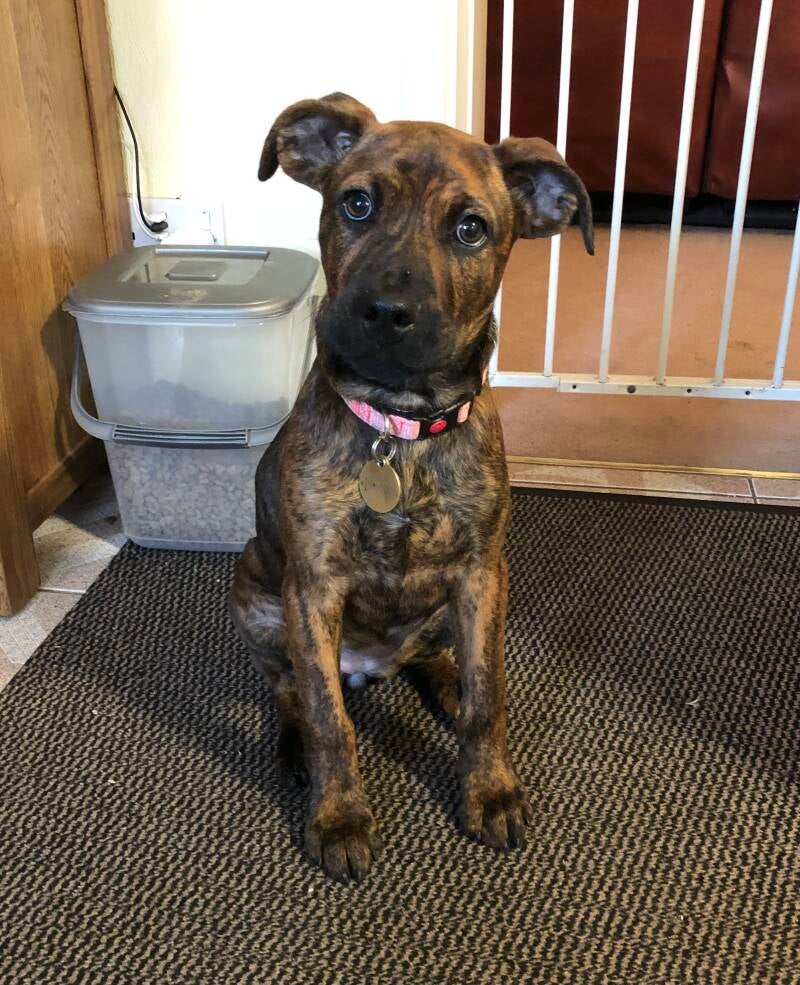
Shoes are often irresistible to puppies because they smell strongly of their owners!
Get into the habit of putting shoes, bags, clothing and other belongings away. Not only will this protect your belongings, but it will also make it easier for your puppy to understand what they are allowed to play with.
The fewer opportunities your puppy has to practise unwanted behaviour, the easier it is to teach good habits.
- Make Sure Your Plants Are Puppy Safe
Some household and garden plants can be harmful to dogs.
If your puppy has access to plants, check that they are safe and consider moving anything potentially harmful out of reach. Puppies may chew leaves, dig in plant pots or investigate soil, so supervision is important.
- Don't Forget the Garden
Your puppy proofing should continue outside too.
Check your garden for:
- Gaps in fences
- Broken fencing
- Toxic plants
- Chemicals
- Garden tools
- Ponds or water features
- Small spaces where a puppy could get stuck
Remember that a small puppy may fit through spaces that an adult dog cannot.
- Supervision Is Still Important
Even the best puppy-proofed home cannot remove every risk.
Puppies learn by exploring, so close supervision is essential. When you cannot actively supervise your puppy, use a safe area or appropriate management such as a puppy pen or positively introduced crate.
Management is not about restricting your puppy unnecessarily. It is about keeping them safe while teaching them how to live successfully in your home.
- Puppy Proofing Helps Prevent Unwanted Behaviour
Puppy proofing is not just about safety.
Every time a puppy practises chewing furniture, stealing shoes or raiding the bin, the behaviour may become more established. By preventing access to these opportunities, you can focus on teaching your puppy what you do want them to do.
Set your puppy up for success by providing:
- Suitable toys
- Appropriate chews
- A safe place to rest
- Opportunities for play and training
- Plenty of supervision
Final Thoughts
Your home does not have to be perfectly puppy proofed, but a little preparation can make a big difference.
The goal is to create a safe environment where your puppy can learn, explore and develop good habits. As your puppy grows, you can gradually give them more freedom as they show they are ready for it.
A well-managed environment, combined with consistent training and clear guidance, gives your puppy the best possible start.
Need help getting your puppy off to the right start? Jo's Pet Services offers practical 1-2-1 puppy training or group classes to help you build confidence, teach essential skills and create good habits from the beginning.
Get in touch today to find out more about your puppy training options.
Add comment
Comments